6 Jun 2026
Licensing Standards Shape the Reach of Live Dealer Streams on Portable Devices
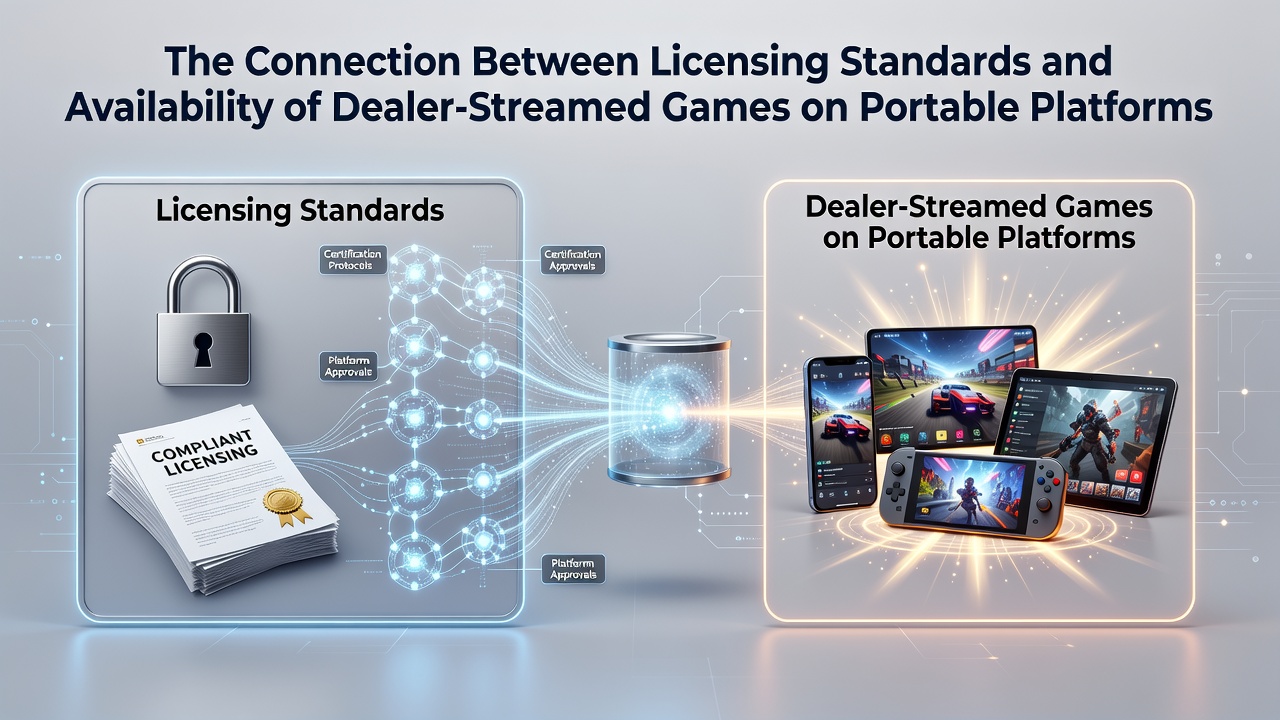
Regulatory frameworks set the boundaries for live dealer game distribution across mobile networks, and these rules often determine which platforms can legally stream real-time table games to portable devices. Operators must meet specific technical and operational criteria before their apps reach users, and those criteria vary sharply by jurisdiction. Data from multiple regions shows that stricter licensing protocols correlate with narrower selections of dealer-streamed titles on smartphones and tablets.
Core Elements of Licensing That Affect Mobile Streams
Licensing bodies examine server locations, encryption standards, and player verification systems before granting approval for live dealer content on portable platforms. These reviews extend to the physical studios where dealers operate, because the stream originates from a controlled environment that must satisfy jurisdictional oversight. When standards tighten around data transmission or identity checks, some operators pause mobile rollouts until compliance upgrades are complete.
Research from the University of Nevada, Las Vegas International Gaming Institute indicates that jurisdictions requiring real-time monitoring of dealer interactions maintain fewer mobile titles overall. The added oversight increases operational costs, and those expenses sometimes lead providers to limit their portable offerings to higher-margin games only. In contrast, regions with streamlined certification processes tend to host broader libraries of dealer-streamed roulette, blackjack, and baccarat on mobile.
Regional Differences in Availability Patterns
North American markets illustrate the connection clearly. New Jersey's Division of Gaming Enforcement mandates separate approvals for each mobile app update that includes live streams, which creates longer lead times compared with land-based approvals. Canadian provinces following iGaming Ontario guidelines allow operators to bundle multiple dealer streams under a single license amendment, resulting in faster mobile expansion. Observers note that these procedural differences directly influence how many live tables appear in player apps at any given time.
European frameworks add another layer. Technical standards around latency and video quality must align with consumer protection rules, and operators report that certification delays in certain member states push release dates for new mobile dealer games by several months. One study released in early 2025 documented a 22 percent reduction in new mobile live titles in jurisdictions that updated their streaming requirements that year.
Technical Compliance and Platform Restrictions
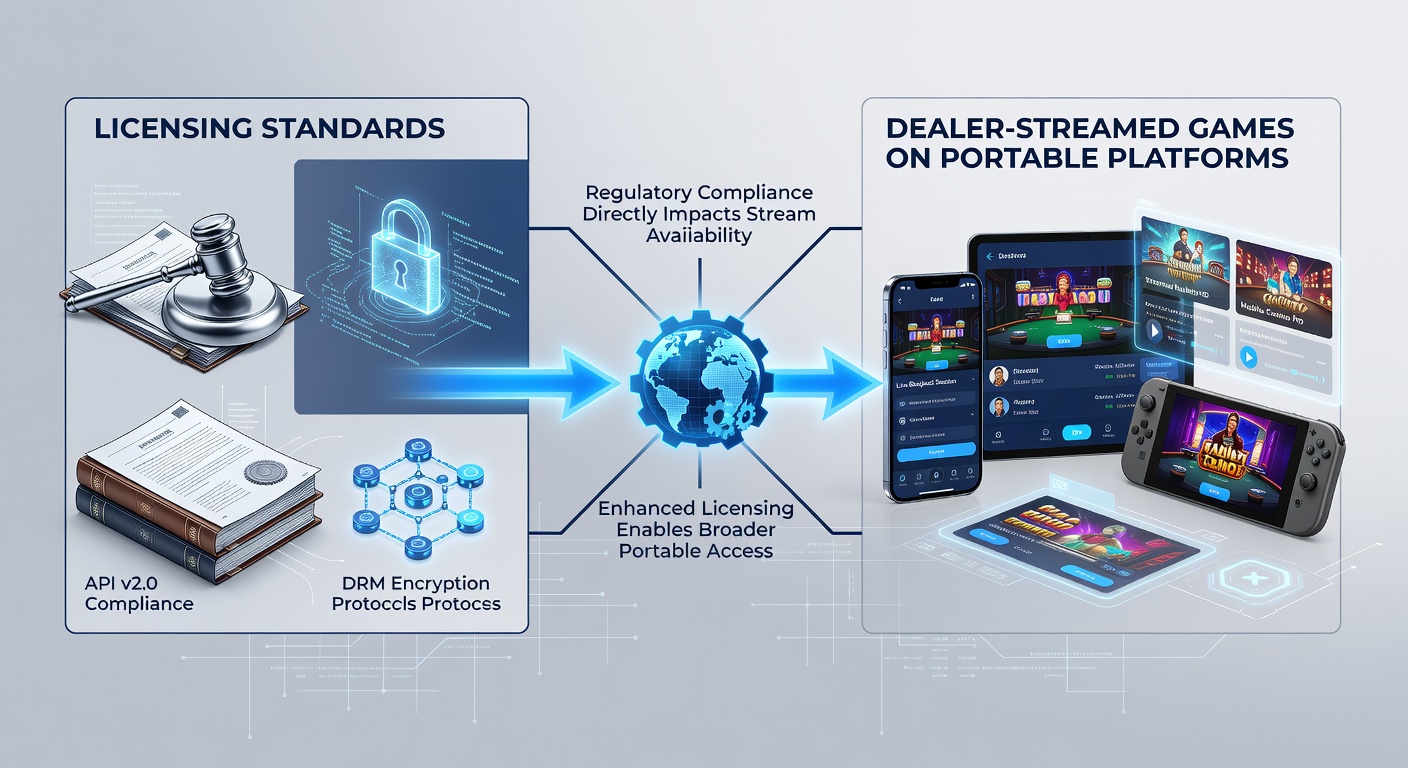
Portable platforms introduce unique constraints because device operating systems and network conditions affect stream stability. Licensing standards frequently require operators to prove consistent performance across common mobile hardware, including older models still in circulation. When testing reveals shortfalls, providers must either upgrade infrastructure or remove the affected title from mobile catalogs until fixes pass review.
June 2026 marks the scheduled implementation of updated encryption mandates in several Atlantic City–licensed operations, and early filings suggest some smaller studios may withdraw mobile streams rather than invest in the required upgrades. Larger operators with established mobile infrastructure are positioned to absorb the changes and maintain their dealer-streamed offerings without interruption.
Market Response and Content Prioritization
Operators respond to these licensing realities by prioritizing games that clear regulatory hurdles quickly. Blackjack variants with simpler rule sets often reach mobile first, while more complex side-bet options or multi-camera roulette tables wait for additional approvals. Industry reports compiled by the European Gaming and Betting Association show that titles requiring advanced graphics or multiple dealer perspectives experience longer certification cycles on portable devices.
Players therefore encounter uneven libraries depending on their location and the operator's license portfolio. Some regions see rapid turnover of new dealer streams, whereas others maintain stable but limited selections because each addition triggers extended compliance reviews. The pattern holds across both regulated and emerging markets.
Conclusion
Licensing standards function as gatekeepers that directly influence which live dealer experiences become available on portable platforms. Variations in approval processes, technical thresholds, and ongoing monitoring create measurable differences in content libraries across jurisdictions. As regulatory bodies continue refining their requirements through 2026 and beyond, operators adjust their mobile strategies accordingly, resulting in ongoing shifts in the dealer-streamed games that reach end users.